
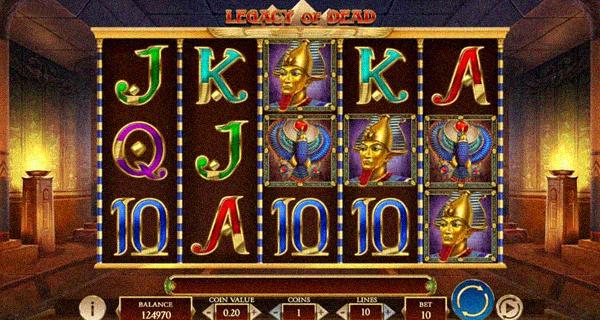
Anyone who remembers the first, blocky online slots realize how many themes have faded away. Egyptian adventures, though, have a special hold. The first time I loaded slot legacy of dead slot machines, I knew this was special. Play’n GO, a developer with a standing for skill and creativity, created this slot to move the goalposts. Its journey from an idea to a fixture in UK casinos shows how a game can refine a popular style while adding something original. This article follows its full timeline. We will explore the pivotal choices, the tech behind it, and the updates that made it a lasting hit. You will discover how it evolved from its forerunner, responded to players, and adapted with the UK market to become the icon it is now.
Software Foundation and Software Innovation
Beneath its thematic exterior, Legacy of Dead relied on Play’n GO’s robust technical core. The game was created from the ground up using HTML5. This guaranteed seamless operation on every device, a requirement for the UK market where mobile play is paramount. The performance tuning impressed me. Animations, especially the gods growing during free spins, remained smooth and punchy even on older smartphones, a sign of clean coding. The sound design used a multi-tiered approach that adapted to the action, generating anticipation during spins and the gamble feature. It also plugged into Play’n GO’s back-end systems for features like detailed game history and safe gaming features, which are essential for UK compliance. This technological prowess meant the game was not only attractive but also dependable, quick, and safe. It also set up the slot for the future, allowing for easy enhancements and adoption within new platform features like tournaments, which would come subsequently.
Graphics, Audio, and Engaging Features
Legacy of Dead’s focus on immersion is where Play’n GO’s artistry came together. The graphics were beyond just clear; they built a consistent world. Every symbol resembled a engraved treasure. The tomb backdrop, with its soft shimmer of torchlight, created a sense of depth. The sound design is a slot design masterclass in my view. It avoids grating, repeating cycles. You get a moody background music, accompanied by the sharp sound of the reels, the deep thump of a winning combination, and a dramatic swell when the free spins round triggers. In the gamble feature, the music reduces to a strained, pulsing beat, focusing the player on the risk at hand. These audiovisual parts were not just embellishment. They were integral to the experience, collaborating to maintain a mood of excitement and old-world enigma that kept British players playing.
First Debut and UK Market Reception
Legacy of Dead first arrived in the market in October 2019. Its debut on the UK drew genuine curiosity from players and casino operators. I think back on the chatter in forums. Everyone questioned if it could avoid being just another clone. The reaction, from what I saw, was largely positive. UK players, who value both production quality and genuine win potential, embraced it quickly. The familiar mechanics felt comfortable, while the fresh, mysterious atmosphere offered something distinct. It found a perfect middle ground. Importantly, it debuted across a wide array of reputable UK-licensed casinos, thanks to Play’n GO’s strong industry ties. The game’s performance metrics were solid, demonstrating high engagement and good feedback on its immersive quality. It did not overthrow Book of Dead, and it was never meant to. Instead, it carved out its own space, providing players an alternative with the same thrill but a darker, more solemn narrative. This successful market fit was the first big evidence that Play’n GO’s development plan worked.
Cultural Influence and Player Community in the UK
Legacy of Dead’s cultural influence in the UK online slot scene is genuine. It has become a benchmark, a game people routinely name alongside its predecessor when talking about the best high-volatility slots. On community forums, in strategy discussions, and on casino review sites, it holds a high profile. I often see it proposed as a logical next try for players who liked Book of Dead but want a shift in atmosphere. Its iconography, especially the stern faces of Anubis and Horus, has grown recognizable on its own terms. The game has also generated a huge amount of community content. Streamers frequently feature it, and dedicated videos dissect its mechanics. This organic, player-led promotion is the ultimate mark of a game’s impact. It moved past being just another casino product and became a permanent fixture of the UK player’s lexicon. That shows how flawlessly its original design and consistent quality aligned with what the market wanted.
Influence and Effect on Following Slots
The heritage of Legacy of Dead is clear in the slots that succeeded. It proved that a sequel or spiritual successor could thrive crunchbase.com by respecting core mechanics while entirely redesigning the aesthetic and story. You can notice this influence in Play’n GO’s own later releases, like “Scroll of Dead,” which continued exploring the ancient manuscript idea. More generally, it highlighted the entire industry how much audiovisual polish and thematic consistency count in a crowded field. For UK players, it elevated the bar for production values. A slot could not just operate properly; it had to draw you in. Its success also established the “Book” mechanic as a enduring favourite, urging other developers to explore new things within that structure. Observing today’s market, I can detect its DNA in countless high-volatility, theme-heavy slots. Legacy of Dead represents a turning point in Play’n GO’s library. It polished a winning formula to a fine edge and proved that even in a crowded genre like Egyptian adventure, there was still room for fresh ideas and a strong identity.
The Current Status and Future Trajectory
Currently, in 2024, Legacy of Dead holds status as a modern classic in UK online casinos. Its RTP stays constant at 96.21%, and leading operators still provide it prime placement. While UK rules have blocked features like “Bonus Buy,” the game’s standard edition maintains a massive following. Its prospects seem solid. Play’n GO has a history of maintaining and marketing its hit titles for the long term, often integrating them into new platform-wide features and campaigns. I anticipate it will remain a foundation of their collection. We might see visual updates later to maintain its appeal, though its core gameplay feels ageless. It works perfectly as a first step for new players interested in high-volatility games, and as a reliable option for experts. As the online slot world moves toward more elaborate themes and features, the sleek, focused design of Legacy of Dead guarantees its position as a enduring and respected title. For the UK audience and others, it has built a genuine legacy.
Launch Updates and Functionality Expansions
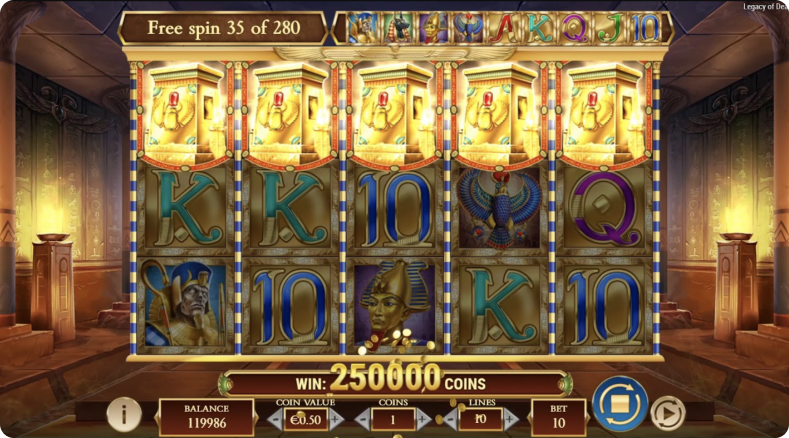
After its launch, Legacy of Dead did not sit still. Play’n GO released a series of tactical updates that widened its reach. A significant step was including the game to Play’n GO’s “Tournament” feature, where players from different casinos vie on leaderboards for prizes. This introduced a interactive, competitive layer into the lonely tomb exploration. The game was also incorporated into the “Bonus Buy” feature for markets where regulations permit it. This stays restricted for UKGC-licensed operators under current rules. For other regions, it let players buy direct entry to the free spins round, serving those who desired immediate access to the game’s most volatile and exciting phase. The core gameplay kept the same, but these integrations demonstrated Play’n GO’s strategy of retaining its existing titles active and visible in their broader ecosystem. It guaranteed Legacy of Dead kept appearing in promotions and new casino lobbies long after its debut.
Antecedents and Foundational Foundation: The Heritage Begins
Comprehending Legacy of Dead signifies tracing back to its spiritual ancestor: Book of Dead. Play’n GO released Book of Dead in 2016, and it revolutionized the “Book” mechanic genre. It showcased the explorer Rich Wilde and mastered a blueprint of high volatility, a straightforward but powerful free spins round with an expanding symbol, and visuals that were high-quality for the period. I observed it take over casino lobbies. By 2019, the market was flooded with copies. Play’n GO confronted a choice: create another simple sequel or use the core mechanics to forge a new, more atmospheric identity. Legacy of Dead came from that urge to refine and perfect. The team dropped the famous Rich Wilde, choosing instead a more shadowy, more enigmatic theme grounded in Egyptian gods and the afterlife. This was more than a simple reskin. It was a conscious change in mood, aspiring for ancient grandeur over adventure serial. They retained the essential “book” mechanic but reconstructed everything around it. The aim was a game that could stand next to its famous predecessor, not behind it.
Original Design and Core Mechanics
The first concept for Legacy of Dead focused on straightforwardness and punch. The developers stripped the idea to essentials: a 5×3 grid, ten paylines, and a sacred book functioning as both wild and scatter. The visual shift stands out. They selected a more intense, shadowy color set of deep blues and golds, placing the reels inside a shadowy tomb chamber. This was a world away from the brighter, open skies of Book of Dead. The sound design deepened the feel, swapping adventurous tunes for haunting chants and echoes. They included the core gamble feature, a hallmark of Play’n GO’s high-volatility games, letting players risk wins to double or quadruple them. The maths model was meticulously refined. It started with that signature high volatility and a 96.21% RTP, a clear signal to seasoned UK players that this game was intent for big wins. Every design decision felt purposeful, refining a proven template.
Key Thematic and Mechanical Divergences from Book of Dead
Despite the shared DNA, several key differences took shape here. The most visible was the cast. Rich Wilde left, and Anubis, Osiris, and Horus arrived as the high-value symbols. This shifted the player’s role from sidekick to someone engaging directly with deities. The expanding symbol in the free spins round became even more important. Landing three god symbols could pack the screen with a single, high-paying image. I observed another subtle but effective tweak in the animations. The gods were rendered with finer detail and a sense of majesty. Their animations on a win felt heavier, more significant. These were not just symbols; they were the pillars of the game’s story. This groundwork made sure Legacy of Dead was seen as a worthy and ambitious sibling, not a cheap knock-off, finding its own space within a familiar framework.